

Introduction
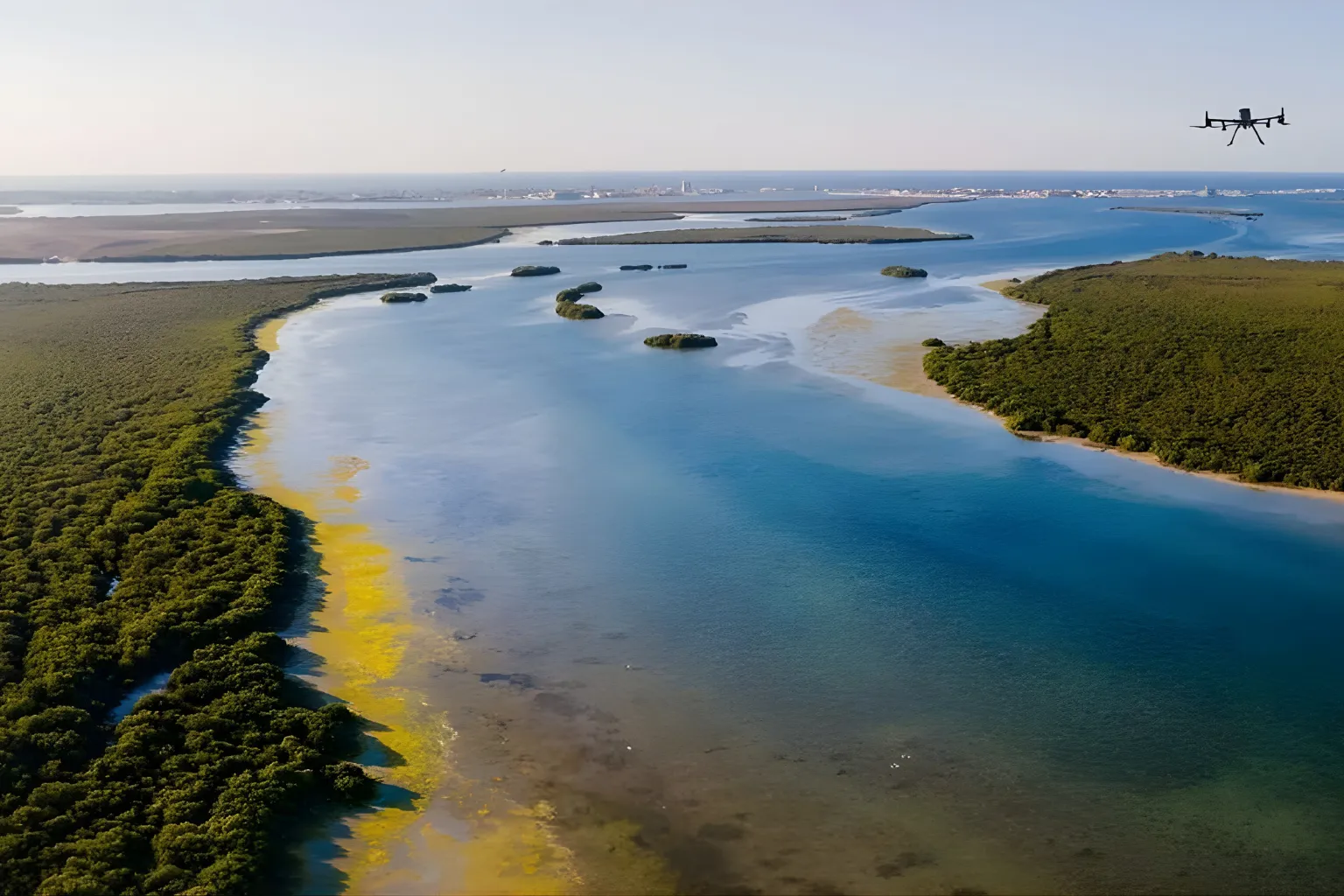
Development projects in coastal zones and environmentally sensitive areas face increasing complexity. Rapid urban expansion, large-scale infrastructure initiatives, and the growing demand for sustainable development have intensified pressure on natural ecosystems. The core challenge is clear: how can development be delivered without compromising the ecosystems that protect coastlines, sustain biodiversity, and maintain ecological balance?
Sensitive environments such as mangrove forests, protected reserves, coastal habitats, and marine ecosystems cannot withstand conventional or rushed approaches. Any poorly planned intervention may result in long-term degradation that is difficult, if not impossible, to reverse. Habitat loss, biodiversity decline, soil instability, and increased exposure to erosion or flooding are among the risks associated with inadequate environmental planning.
Responsible project execution within these environments requires an integrated, science-based approach that prioritizes environmental integrity at every stage.
Understanding the Ecosystem Before Intervention
Sustainable implementation begins with a comprehensive understanding of the project site and its surrounding ecological systems. Environmental studies and impact assessments form the foundation of responsible development.
These assessments allow project stakeholders to:
- Identify ecological sensitivities
- Evaluate potential environmental risks
- Understand hydrological, soil, and habitat dynamics
- Develop mitigation and adaptation strategies
- Ensure compliance with regulatory frameworks
Environmental Impact Assessments (EIAs) are not procedural formalities. When properly conducted, they serve as decision-making tools that guide project design and execution, minimizing unintended consequences before field activities begin.
Without this foundational step, development risks disrupting natural processes that may take decades to restore.
Environmentally Integrated Planning
Following assessment, precise environmental planning becomes critical. Development solutions must align with the characteristics of the local ecosystem rather than override them.
Wherever possible, nature-based solutions should be prioritized. For example:
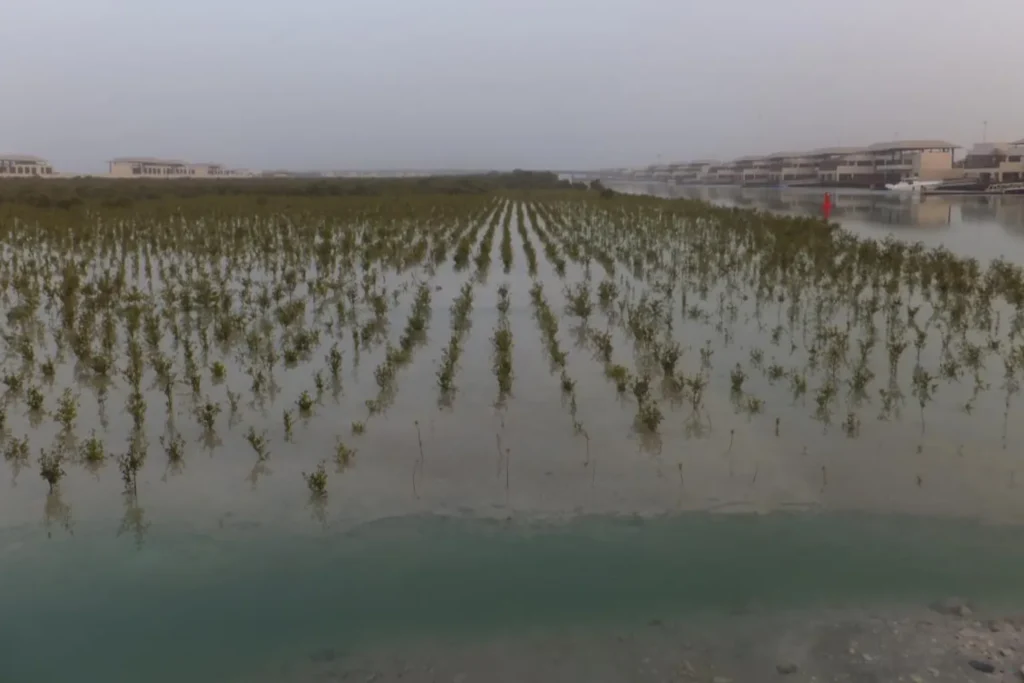
- Mangrove restoration can serve as a natural coastal defense instead of hard seawalls.
- Degraded habitats can be rehabilitated rather than removed.
- Environmental compensation programs can offset unavoidable impacts through measurable ecological gains.
Planning must account for tidal patterns, sediment flow, biodiversity corridors, and long-term ecological stability. The objective is not only to prevent harm, but to enhance environmental resilience alongside development.
This approach ensures that projects are designed in harmony with natural systems rather than in opposition to them.
The Importance of Specialized Execution
Even with strong planning, execution methods determine the ultimate environmental outcome. Sensitive ecosystems demand precision, trained teams, and controlled operational processes.
Specialized in-house implementation reduces environmental risk by maintaining full oversight and accountability across all project phases. Relying on non-specialized subcontractors can increase the likelihood of errors, miscommunication, and unintended environmental damage.
Responsible execution involves:
- Minimizing disturbance to root systems and soil structures
- Avoiding heavy equipment in fragile areas whenever possible
- Implementing erosion and sediment control measures
- Applying best practices in habitat relocation or restoration
In highly sensitive areas such as mangrove reserves, even minor operational missteps can lead to ecosystem stress. Therefore, technical expertise and environmental awareness must guide every on-site activity.
Long-Term Monitoring and Environmental Management
The responsibility of environmental protection does not end when construction or planting activities are completed. Continuous monitoring and long-term management are essential to evaluate actual project impact and ensure ecological stability.
Post-implementation monitoring allows teams to:
- Track vegetation growth and habitat recovery
- Measure biodiversity indicators
- Detect unforeseen environmental changes
- Apply corrective actions where necessary
Long-term environmental management is particularly important for coastal and marine projects, where ecological processes unfold gradually over years or decades. Sustainable outcomes depend on adaptive management strategies supported by data and scientific analysis.
A National Imperative in the UAE
In the United Arab Emirates, integrated environmental planning is no longer optional. It has become a national imperative aligned with the country’s sustainability agenda and Net Zero 2050 commitments.
Coastal development must now coexist with ecosystem preservation. National experience has demonstrated that projects built on responsible environmental planning and science-based execution can achieve economic growth without sacrificing ecological stability.
The shift from reactive mitigation to proactive environmental integration reflects a maturing development model — one that recognizes nature not as an obstacle, but as a strategic asset.
Conclusion
At Nature Environmental & Agricultural Solutions (NEAS), we bring more than 38 years of experience executing development projects within sensitive environments across the UAE.
Through nature-based solutions, full in-house implementation, and long-term environmental management, we ensure that development aligns with ecological integrity rather than undermining it.
We believe that true progress is not achieved at the expense of nature, but through integration with it.
If you are planning a coastal or development project within a sensitive environment, we invite you to request a specialized consultation with the Nature team to ensure responsible, sustainable execution.