

Introduction
As climate change challenges intensify worldwide, the search for effective solutions to reduce carbon emissions and enhance carbon sequestration has become a global priority. While much attention has historically focused on terrestrial forests and renewable energy, increasing emphasis is now being placed on coastal ecosystems through what is known as blue carbon
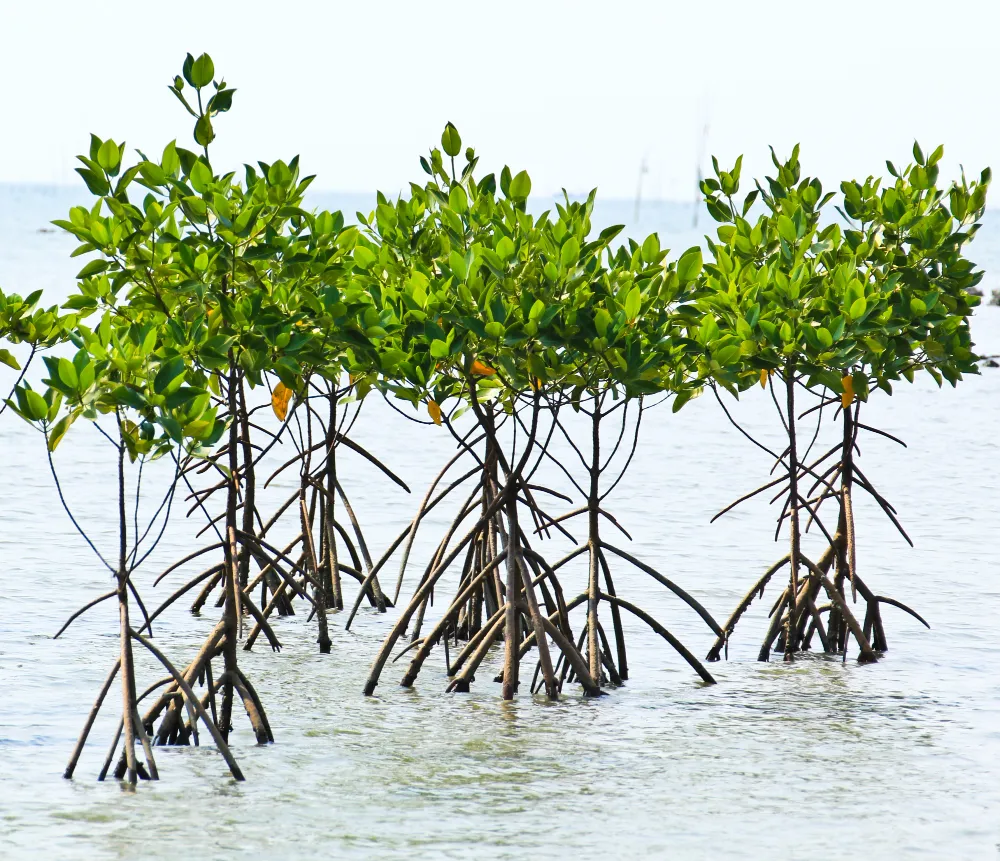
Blue carbon refers to the carbon captured and stored within coastal and marine ecosystems such as mangrove forests, seagrass meadows, and tidal marshes. These ecosystems are among the most efficient natural carbon sinks on Earth, capable of absorbing and storing significant amounts of carbon dioxide over long periods. Unlike many land-based systems, blue carbon ecosystems can retain carbon in their soils and root systems for centuries when properly protected and managed.
Why Blue Carbon Matters
The importance of blue carbon lies in both its efficiency and permanence. Coastal ecosystems absorb carbon dioxide from the atmosphere through photosynthesis. However, what makes them particularly powerful is their ability to store carbon below ground in waterlogged, oxygen-poor soils. In such conditions, carbon decomposition slows dramatically, allowing it to remain trapped for extended periods.
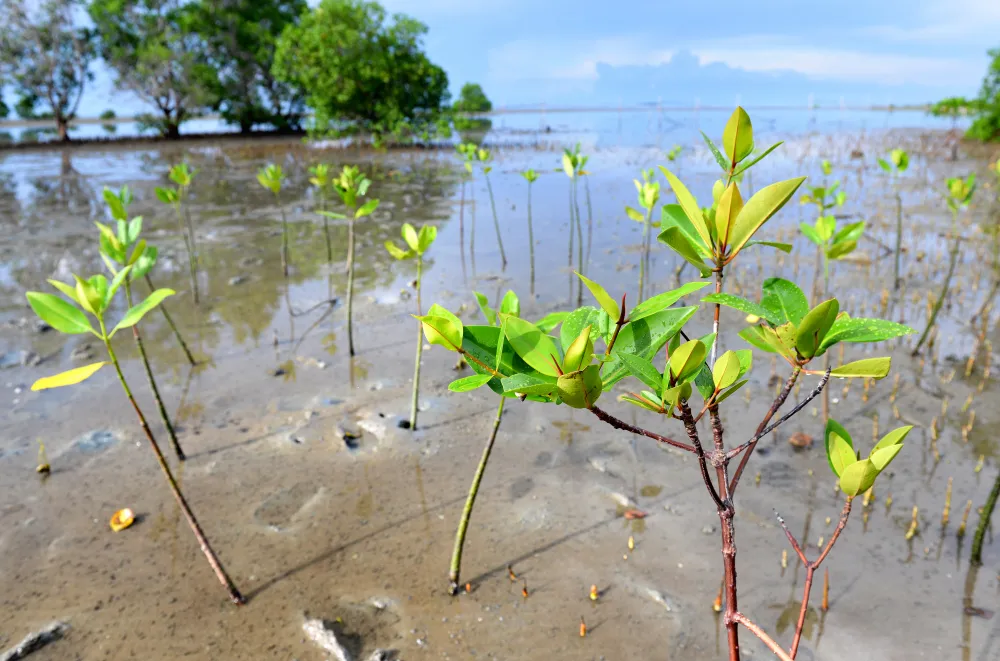
Mangrove forests, in particular, demonstrate exceptional carbon storage capacity. Research indicates that mangroves can store several times more carbon per hectare than many terrestrial forests. They capture carbon in three primary ways:
Above-ground biomass such as trunks and branches
Below-ground root systems
Deep organic-rich soils that accumulate carbon over time
This dual storage mechanism makes mangroves a critical component of any strategy aimed at achieving climate neutrality.
Beyond Carbon: Integrated Environmental Benefits
Blue carbon ecosystems provide far more than climate mitigation. Their restoration and protection generate multiple co-benefits, including:
- Coastal erosion control
- Natural flood protection
- Biodiversity enhancement
- Improved water quality
- Support for fisheries and marine food chains
By investing in blue carbon systems, nations are not only reducing atmospheric carbon levels but also strengthening ecosystem resilience and protecting valuable coastal infrastructure.
This integrated value is particularly important in regions with extensive coastlines and active development, where climate adaptation and environmental protection must operate alongside economic growth.
Blue Carbon in the UAE’s Climate Strategy
In the United Arab Emirates, blue carbon has gained strategic importance within national environmental policy frameworks, especially in light of the country’s commitment to achieving Net Zero by 2050.
Mangrove expansion programs, coastal habitat restoration initiatives, and marine conservation projects are now central to national climate efforts. These initiatives contribute measurable carbon sequestration benefits while simultaneously strengthening shoreline protection and marine biodiversity.
Large-scale mangrove planting projects across Abu Dhabi and other coastal areas illustrate how blue carbon is being embedded into long-term sustainability planning. By expanding natural carbon sinks, the UAE reinforces its climate leadership and aligns development with environmental responsibility.
The Science Behind Successful Blue Carbon Projects
However, developing blue carbon projects requires far more than planting trees or restoring coastal vegetation. Effective implementation demands rigorous scientific planning and long-term ecosystem management.
Key elements include:
- Detailed site assessments to evaluate soil, salinity, and hydrological conditions
- Selection of appropriate native species
- Understanding tidal flows and sediment dynamics
- Careful monitoring of carbon storage performance
- Ensuring regulatory compliance and documentation
Improper site selection or inadequate management can lead to ecosystem instability and even carbon release rather than sequestration. For example, disturbing carbon-rich soils can reintroduce stored carbon into the atmosphere.
Therefore, blue carbon initiatives must be supported by precise environmental studies, continuous monitoring, and adaptive management frameworks to ensure that carbon remains securely stored over time.
Equally important is scientific documentation. Verified measurement and reporting of carbon sequestration outcomes are essential for supporting policy alignment, sustainability reporting, and potential carbon credit mechanisms.
A Strategic Opportunity for Climate Action
Blue carbon represents a unique opportunity: it enables climate mitigation, ecosystem restoration, biodiversity protection, and coastal resilience through a single integrated pathway.
For coastal nations such as the UAE, it offers a natural and scalable solution aligned with national climate commitments and sustainable development goals. When executed responsibly, blue carbon projects strengthen environmental security while delivering measurable climate benefits.
Conclusion
At Nature Environmental & Agricultural Solutions (NEAS), blue carbon development is a core component of our nature-based solutions framework.
With more than 38 years of field expertise in mangrove cultivation, habitat restoration, and long-term environmental monitoring, we design and implement blue carbon projects that align with scientific standards and regulatory requirements.
We believe blue carbon represents a genuine opportunity to support climate neutrality while simultaneously protecting coastlines and enhancing biodiversity.
If you are planning a project that supports climate objectives and delivers measurable environmental impact, we invite you to request a specialized consultation with the Nature team.